
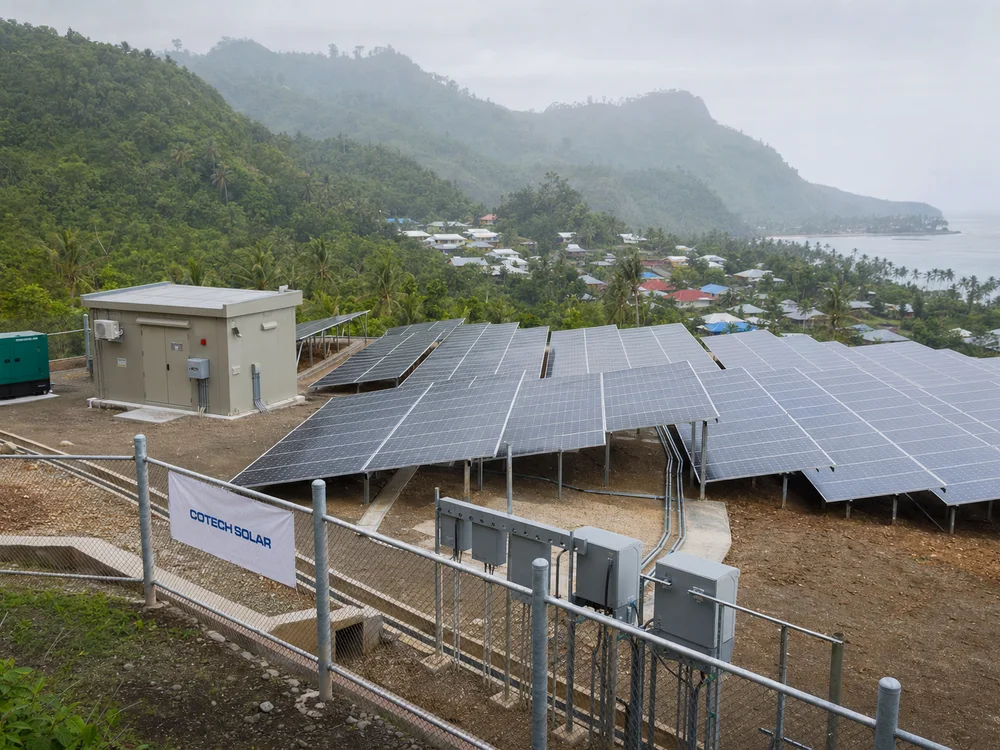
Short answer: size a home battery from the energy you use when the sun isn't shining (mainly evening and overnight) plus any critical loads you want to back up during an outage. For many homes that lands somewhere in the 5–15 kWh range, but the right number depends on your consumption, solar size and goals.
Step 1 — Decide your goal
- Self-consumption — store excess daytime solar to use in the evening. Size to your typical evening/overnight energy.
- Backup — keep critical loads running during outages. Size to those loads × how many hours you need.
- Time-of-use — shift energy to expensive tariff periods. Size to the energy moved in the peak window.
Most homes want a mix; size for the largest of the goals that matter to you.
Step 2 — Estimate the energy to cover
- Look at your evening + overnight consumption (from a bill or monitor), since that is what the battery serves after solar stops.
- For backup, list critical loads (fridge, lights, router, a few outlets) and how long you want them to run.
Step 3 — Convert to battery capacity
Remember rated kWh is not all usable. With LiFePO4 (~90%+ usable), divide the energy you need by the usable fraction:
| Energy you need to cover | Approx. LiFePO4 battery to specify |
|---|---|
| ~4–5 kWh | ~5–6 kWh |
| ~7–8 kWh | ~8–10 kWh |
| ~10–12 kWh | ~11–14 kWh |
These are starting points — confirm with your installer for your loads and solar size.
Step 4 — Check the rest of the system
- Inverter power — the hybrid inverter must handle your peak load and, for backup, your critical-load surge.
- Solar size — the array should be able to recharge the battery on a typical day.
- Expandability — stackable systems let you add capacity later as needs grow.
Step 5 — Don't oversize
A battery much larger than your daily solar surplus may rarely fill, wasting capacity. Match the battery to what your solar can actually recharge and what you use after dark.
COTECH Solar offers stackable home systems (roughly 5–30 kWh, parallel to larger) with hybrid inverters. See Energy Storage or tell us your usage for a sizing recommendation.
FAQ
What size battery does a typical home need?
Many homes land in the 5–15 kWh range, but the right size depends on evening/overnight energy use, how much of the load you want to back up, and how big your solar array is. Size from the energy you use when solar isn't producing, then add any backup loads.
How do I size a battery for backup during outages?
List the critical loads you want to keep running (for example fridge, lights, router) and multiply their power by the number of hours you need. Then divide by the battery's usable fraction (about 90% for LiFePO4) to get the rated capacity, and make sure the inverter can handle those loads.
Can I add more battery capacity later?
With stackable systems, yes. Many home batteries let you add modules or parallel units later, so you can start with what you need today and expand as your consumption or backup needs grow.