
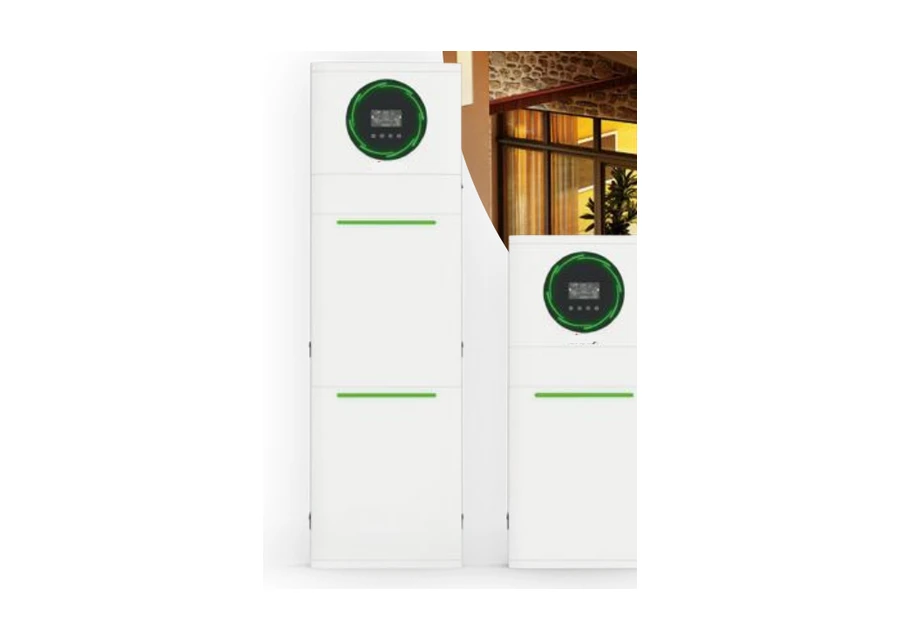
Adding storage to a solar system is increasingly the default rather than the exception. As self-consumption, backup and grid-service value grow, buyers across residential, commercial and utility segments are specifying solar-plus-storage from the start — and lithium iron phosphate (LiFePO4) has become the dominant battery chemistry.
Why storage is now standard
- Self-consumption — storing midday solar for evening use raises the share of on-site energy a household or business actually uses.
- Backup and resilience — batteries keep critical loads running through outages.
- Grid services and time-of-use — shifting energy to high-price periods improves project returns.
Why LiFePO4 leads
Among lithium chemistries, LiFePO4 has become the preferred choice for stationary storage because it offers:
- Long cycle life — automotive-grade cells rated for many thousands of cycles, translating into a longer usable service life.
- Strong thermal and chemical stability, which improves safety compared with some other lithium chemistries.
- High usable depth of discharge, so more of the rated capacity is available every day.
What buyers should look for
- Cycle life and warranty — check the guaranteed cycles and the years covered.
- Multi-level safety — a smart BMS plus gas detection, suppression and venting on larger systems.
- Scalability — the ability to grow from a few kWh at home to megawatt-hour containers for C&I and utility sites, ideally from one supplier.
COTECH Solar's storage range spans plug-in balcony kits, stackable home systems and liquid-cooled 20-ft containers up to 5 MWh — all LiFePO4, and designed to pair with the modules that charge them. Explore Energy Storage or contact our team.